

What is a Makerspace? Our secrets to a successful Makerspace!
This post may contain affiliate links. As an Amazon Associate, I earn from qualifying purchases.
What are makerspaces?
Let’s start off with the definition of Makerspaces. Makerspaces are places for students to gather and explore various materials to solve problems they are interested in learning more about. They can be found in libraries, community centers, and schools. In the school setting, they are often used to link the Engineering Design Process, STEAM concepts, and the Next Generation Science Standards (NGSS) in an exploratory setting. Children may come to the makerspace with a classroom teacher, or teachers may use this as release time for the teachers. Either way, students are exposed to a variety of materials and asked to solve different challenging problems by creating a variety of solutions.
Makerspaces are a bit of a utopia in the current education climate. Imagine a place where children and adults come to learn but not in the traditional sense. Questions are asked, failure is common, and a buzz of noise and excitement abound. This place is a safe haven on campus where students and adults come together to solve problems that are present in and around their community, try new things, and learn about new opportunities for careers they may want to pursue later in life.
It can be daunting to think about starting a makerspace in your school, but it doesn’t have to be.
Here are five little-known secrets about makerspaces that will set you up for success:
Secret #5: You don’t need a large budget to have a makerspace.

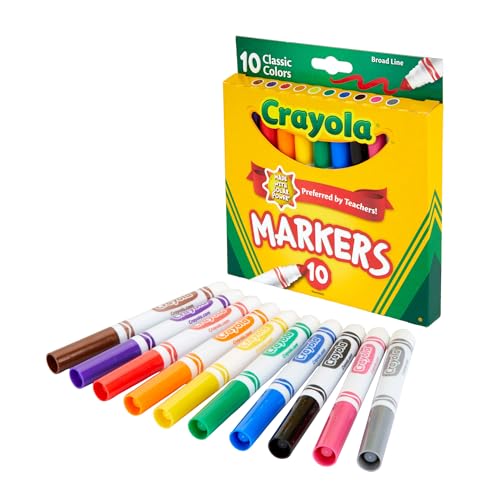
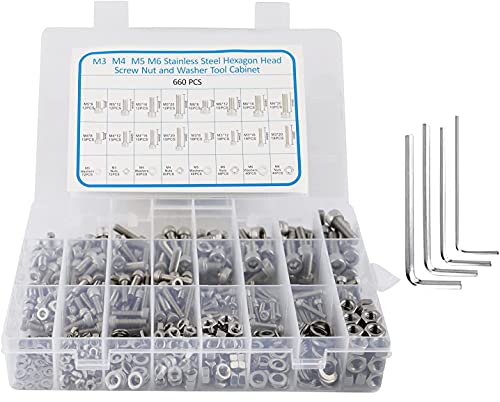
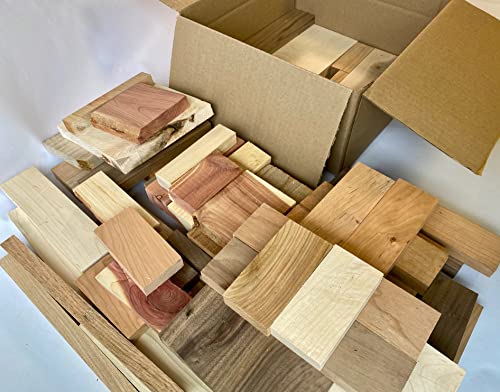
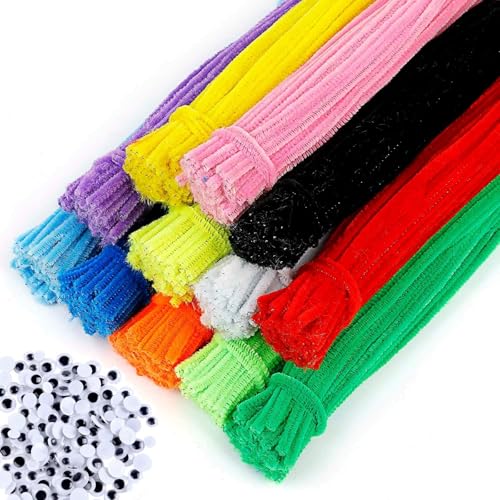
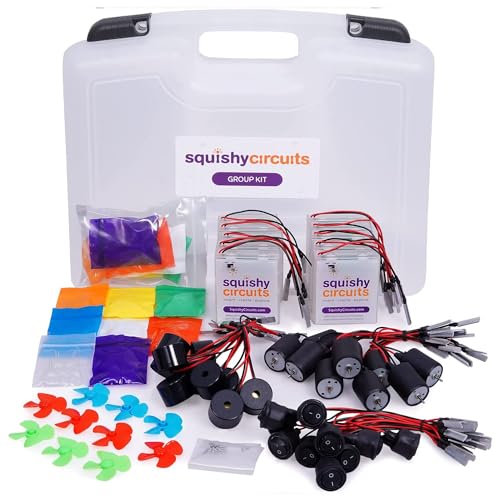
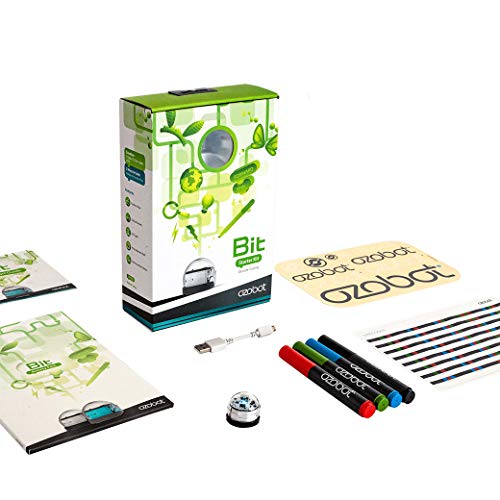
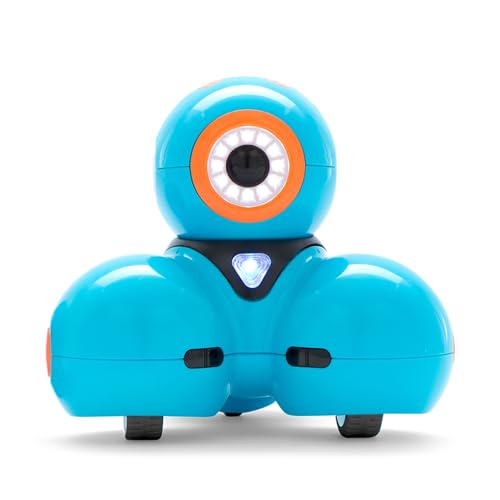
Lack of funding is often a reason to avoid creating this seemingly mythical creative space. In fact, some of the best STEAM 青娱乐青青草在线视频 come from using the least expensive materials like recyclables (cardboard, plastic water bottles, caps, etc.). Below is a list of basic materials found around schools and in your students’ homes. Put together a list of your needs and request donations from your community. If a budget exists, start incorporating more technical things like Ozobots, Dash robots, tablets, electronic circuitry kits, etc.
Must-Have Makerspace Materials

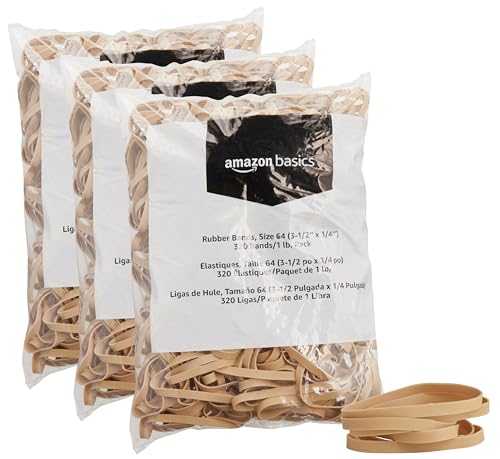

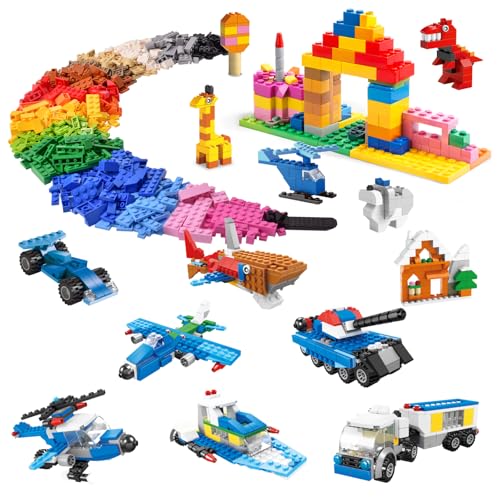


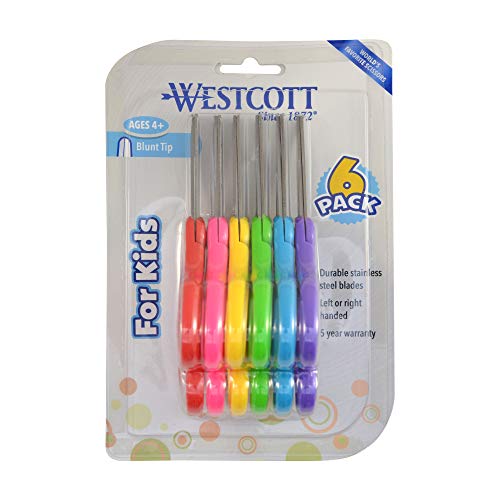


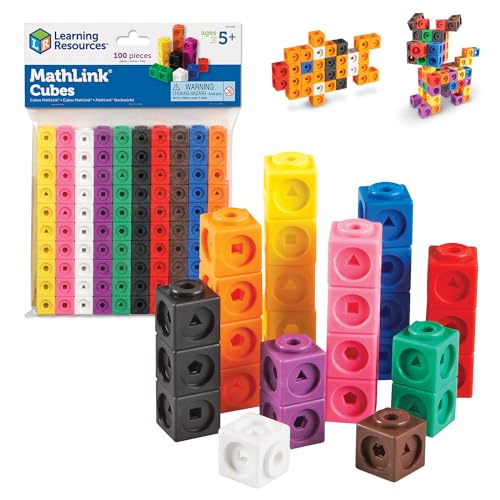

![[200 Pack] Flexible Disposable Plastic Drinking Straws - 7.75'High - Assorted Colors Striped](https://m.media-amazon.com/images/I/51+VMFjY-ML.jpg)
![GUSTO [100 Count] Jumbo 6 Inch Wooden Multi-Purpose Popsicle Sticks, Craft Sticks for ICES, Ice Cream, Waxing,...](https://m.media-amazon.com/images/I/31tGre3z9eL.jpg)






Secret #4: A closet will do just fine.
Space is often a premium in schools and can be a hurdle to creating a makerspace. To host your own makerspace or STEAM lab, you don’t really need a lot of space. A rolling cart or a storage closet with space outside can work just as well as an elaborate high-tech innovation lab. Working in small spaces just requires some organization and thoughtful planning about how you will use the space and store materials. Using plastic tubs to organize and label will allow the students and staff to easily access the materials they may need while keeping order.
Secret #3: It isn’t chaos; it is organized chaos.
In a makerspace there are lots of loose parts, lots of children and adults, and the combination of people, materials, and excitement leads to organized chaos. The teacher or facilitator of the makerspaces responsibility is to set up opportunities for learning similar to provocations so that the chaos is indeed organized. Similar to toy rotations where not all materials (or toys) are available to students at any given moment, the teachers or facilitators should carefully select the materials in the makerspace so they pertain to the task or challenge at hand and it doesn’t become a free-for-all. This helps with clean-up and organization and overall calmness. Here is a sample schedule in the makerspace:
Sample Makerspace Classroom Routine:
Whole group meeting to introduce the challenge/problem/materials (5-10 minutes). What will they be doing? How many people will be in the group? What expectations do you have for behavior and treatment of the materials?
Explore the materials and the challenge (20-25 minutes). Brainstorming and sketching a plan for their design or how they will tackle the problem. Begin building and testing their design.
Present findings (5-10 minutes) What was challenging, and what was successful with their designs? How might they improve their designs based on others’ designs?
Clean-up (5 minutes). Clean up materials and workspace.
Secret #2: Children will fail … often.
Well-crafted STEAM challenges invite and actually encourage failure. There is usually more than one way to solve the problem, and oftentimes, the way that the child initially tries to solve the problem fails. And that is ok. When children fail is when they are actually learning the most. It is from those moments of failure that children learn to persevere, that they can do hard things, and that they are able to solve complex problems. Failure is the best opportunity for creating and fostering a growth mindset. One of the simplest ways to turn an “I can’t…” statement into one that encourages growth is to add the word “yet” to that statement. For example, if a student is frustrated because they can’t get their paper circuit to light up the LED, and they say, “I can’t figure out why my LED won’t light up!” Have them rephrase it to include the word, “yet” by saying, “I can’t figure out why my LED won’t light up yet!” This shows the child that they are capable of solving the problem and that they may just need to step back from the situation for a minute or they may need to consult a friend/classmate to troubleshoot their circuit.
Secret #1: All students thrive in a makerspace setting.
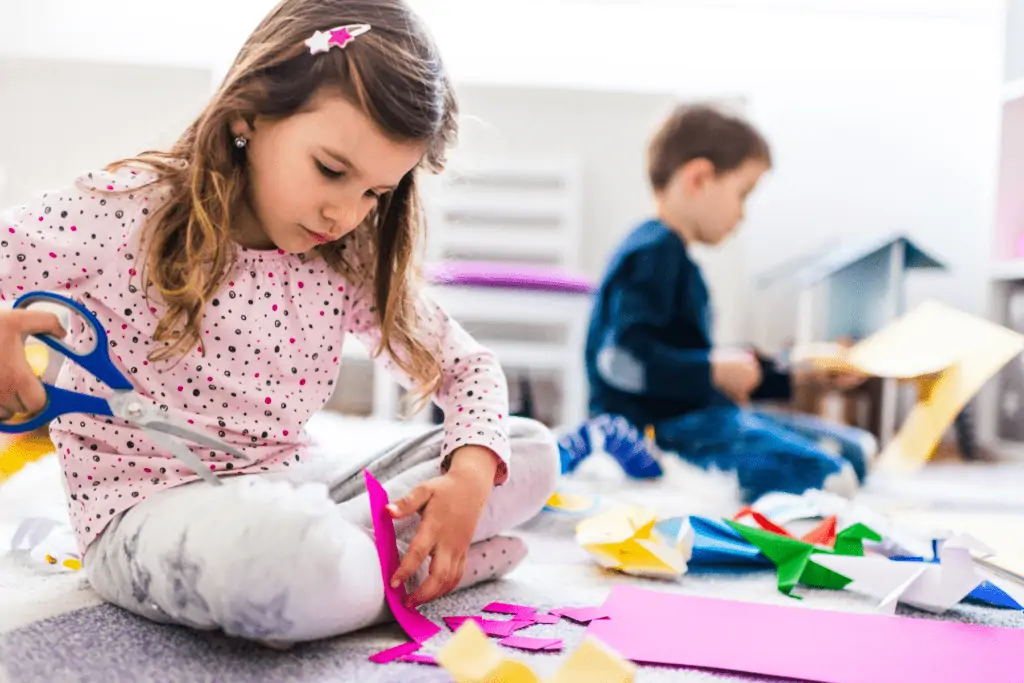
That is a bold statement, but one that is absolutely true. Why? It is actually quite simple. When children have opportunities to do things that are hands-on, challenging, have multiple solutions, and are fun, they all want to do them. Children who get to participate in makerspaces also have an extreme sense of pride and ownership of the space and their work. That pride leads to engagement and ultimate success. This opens the doors to communicate about opportunities for career paths they may not have known existed. Having that exposure to relevant career opportunities gives students purpose and direction for their schooling.
Here are some simple ways to differentiate and meet the needs of all students.
- Simplify or complicate the activity. If you are designing a boat, the simplest form would be just creating a boat that will float. More challenging would be creating a boat that floats and can carry added weight by adding pennies or other objects to the boat, testing its capacity. Further complicating this activity would be creating a boat that can sail the fastest. This would involve knowledge of sails and the ability to calculate speed which involves division. So in this one challenge, we can differentiate it to meet the needs of younger learners (as young as preschool) or older (upper elementary) children.
- Simplify or complicate the materials. By reducing the number of variables, we make the activity more accessible to more students. This reduces overwhelm and overstimulation too.
- Create open-ended challenges. When you create a challenge that has multiple solutions, you allow more students to find success and more opportunities to learn from each other. For example, if the challenge is for students to make a device that would catch an apple that was falling from a tree so it doesn’t hit the ground and break or become damaged, students might make several different kinds of devices. One might make a net-type device, another might make a basket-type device, while another might make a webbing that would act as a cushion to protect the apple from the inevitable fall. The learning that can ensure from examining each others’ designs is huge. Students begin to think critically about which one would probably work better and why and how they might improve their design based on the ideas of their peers.
Creating a makerspace shouldn’t be daunting or scary, and hopefully, these five secrets will help you feel more confident in diving into the wonderful world of STEAM. In a world full of anxiety and pressure, your students will surely thank you for taking a risk and creating such a magical space for them to learn and play.

Kate is mom of two rambunctious boys and a self-proclaimed super nerd. With a background in neuroscience, she is passionate about sharing her love of all things STEM with her kids. She loves to find creative ways to teach kids computer science and geek out about coding and math. She has authored several books on coding for kids which can be found at Hachette UK.


