
What is a 3D pen and how does it work?
This post may contain affiliate links. As an Amazon Associate, I earn from qualifying purchases.
Hey there! Have you ever wished you could bring your drawings to life? Well, get ready to step into the future with a 3D pen! Imagine being able to create 3D sculptures, models, and objects just by drawing with a special kind of pen. It might sound like something out of a sci-fi movie, but it’s real and it’s awesome! In this article, we’ll take a closer look at what a 3D pen is and how it works. Get ready to unleash your creativity and explore the world of 3D drawing!
The Basics: What is a 3D Pen?
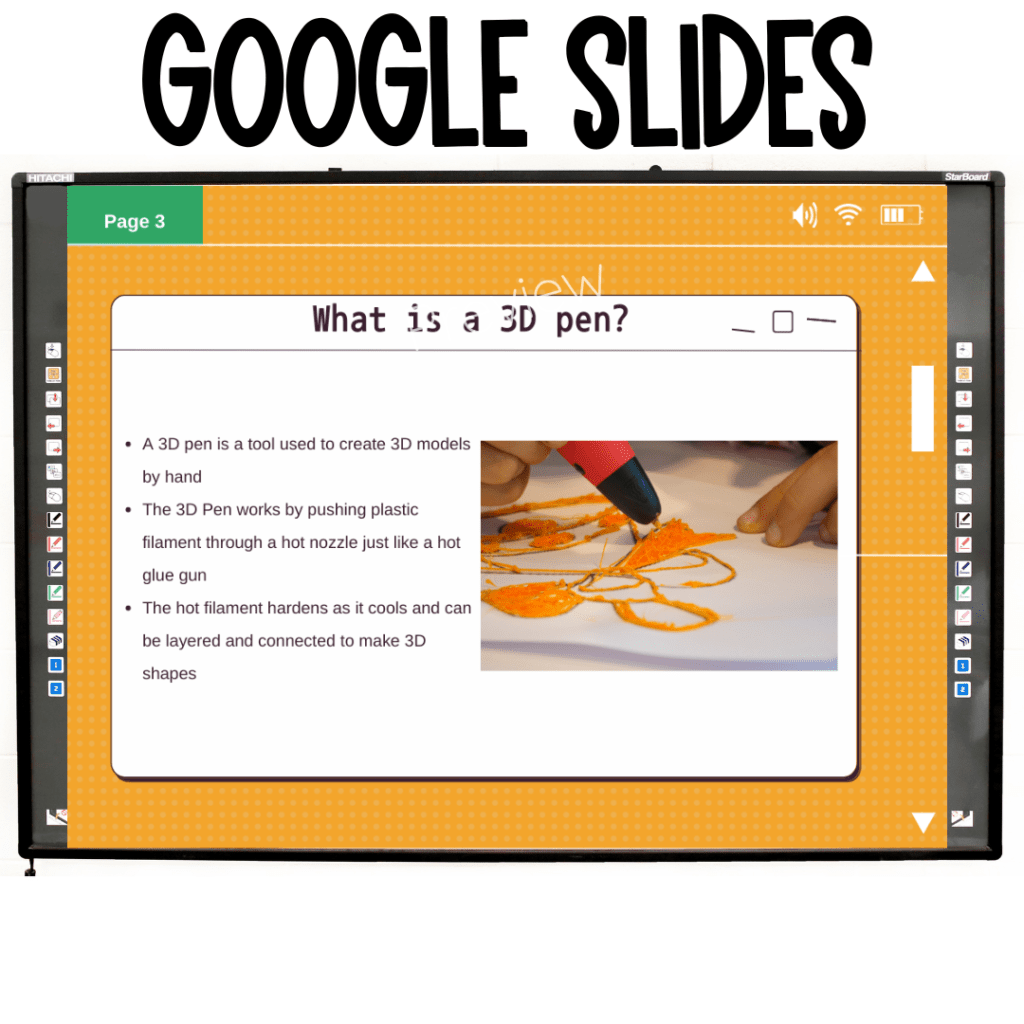
Have you ever dreamed of being able to draw in three dimensions? While a 3D pen doesn’t let you draw in the air like magic, it does allow you to create three-dimensional shapes and structures by connecting 2D shapes together or layering them on top of one another. A 3D pen works by melting and extruding a plastic filament, which is then cooled and hardened to form a solid shape. With a 3D pen, you can transform your drawings into 3D models.
How Does a 3D Pen Work?
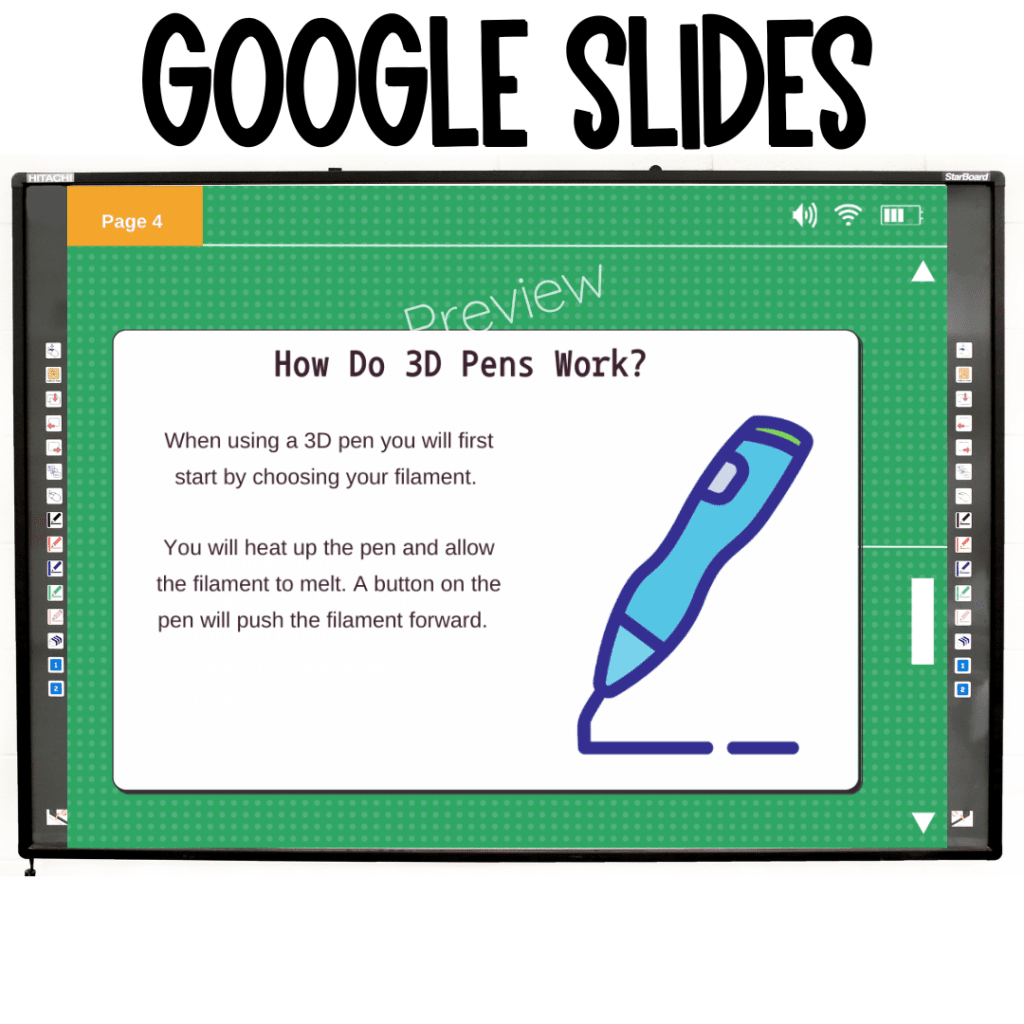
A 3D pen works by melting and extruding a plastic filament, which is then cooled and hardened to form a solid shape. When you draw with a 3D pen, the plastic filament is fed into the pen, where it is heated to a high temperature and melted. The melted plastic is then extruded through a nozzle at the end of the pen, which allows you to control the flow and direction of the plastic as you draw. As the plastic cools and hardens, it solidifies into a three-dimensional shape, allowing you to create complex structures and designs.
The Components of a 3D Pen Explained
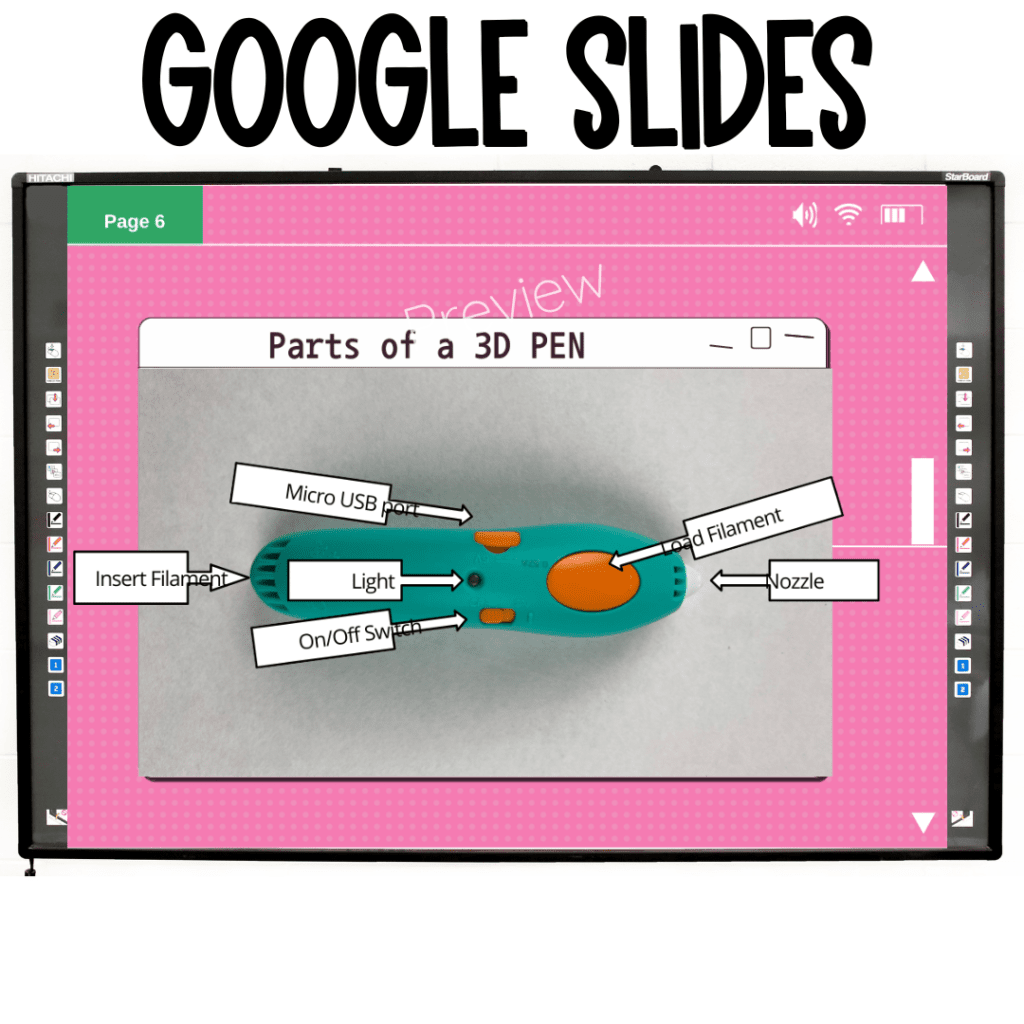
A 3D pen consists of several key components that work together to create your three-dimensional creations. The pen itself usually contains a heating element, a motor, and a plastic extrusion system, including a nozzle and a filament feeder. The plastic filament, which is usually made of a type of plastic called PLA or ABS, is fed into the pen through the filament feeder and melted by the heating element. The motor then pushes the melted plastic out through the nozzle, allowing you to draw in three dimensions.
The History and Evolution of 3D Pens
Believe it or not, the first 3D pen was invented less than a decade ago! The first commercially available 3D pen was launched in 2013, and since then, the 严选漫画 has continued to evolve and improve. While early 3D pens were clunky and difficult to use, today’s 3D pens are sleek and sophisticated, with advanced features like temperature control, adjustable extrusion speed, and different nozzle sizes. As 3D printing 严选漫画 continues to advance, it’s likely that 3D pens will become even more versatile and powerful, allowing users to create even more complex and intricate designs.
The Differences between 3D Pens and 3D Printers
While both 3D pens and 3D printers are used to create three-dimensional objects, there are some key differences between the two. One major difference is the way they work. 3D printers use computer-aided design (CAD) software to create objects layer by layer, while 3D pens are hand-held and require you to manually guide the plastic filament to create shapes. As such 3D printers are much more exact!
Another difference is the size of the objects that can be created. 3D printers can create large objects, while 3D pens are better suited for creating smaller, more detailed objects. Additionally, 3D pens are generally more affordable and portable than 3D printers, making them a great option for artists and hobbyists.
You can learn more about 3D printing here.
The Benefits of Using a 3D Pen
There are many benefits to using a 3D pen! For one thing, 3D pens allow you to create three-dimensional designs and structures, which can be a great way to explore your creativity and imagination. Additionally, 3D pens can be used for a variety of applications, from creating small trinkets and sculptures to repairing broken objects or creating custom phone cases. With a 3D pen, you can bring your ideas to life in a way that’s both fun and functional!
Types of Materials You Can Use with a 3D Pen
Most 3D pens use plastic filament as their primary material, with the two most common types being PLA and ABS. PLA is a more environmentally friendly biodegradable plastic while ABS is a more durable plastic that’s commonly used in household items like LEGO bricks.
A quick comparison of PLA and ABS:
- ABS filament is stronger and more durable than PLA.
- PLA filament is easier to work with and produces less warping and curling than ABS.
- ABS has a higher melting temperature than PLA, making it better for creating objects that will be exposed to high heat or friction.
- PLA is a biodegradable material made from renewable resources, while ABS is not biodegradable and is derived from petroleum.
Just be sure to check that the material you’re using is compatible with your 3D pen before you start.
Tips and Tricks for Using a 3D Pen Effectively
If you’re new to using a 3D pen, it can take a bit of practice to get the hang of it. Here are some tips and tricks to help you use your 3D pen effectively:
- Start with simple designs: When you’re first starting out, it’s best to stick to simple designs and shapes until you get the hang of using the pen.
- Use a stencil: If you’re having trouble drawing freehand, try using a stencil to guide your lines and shapes.
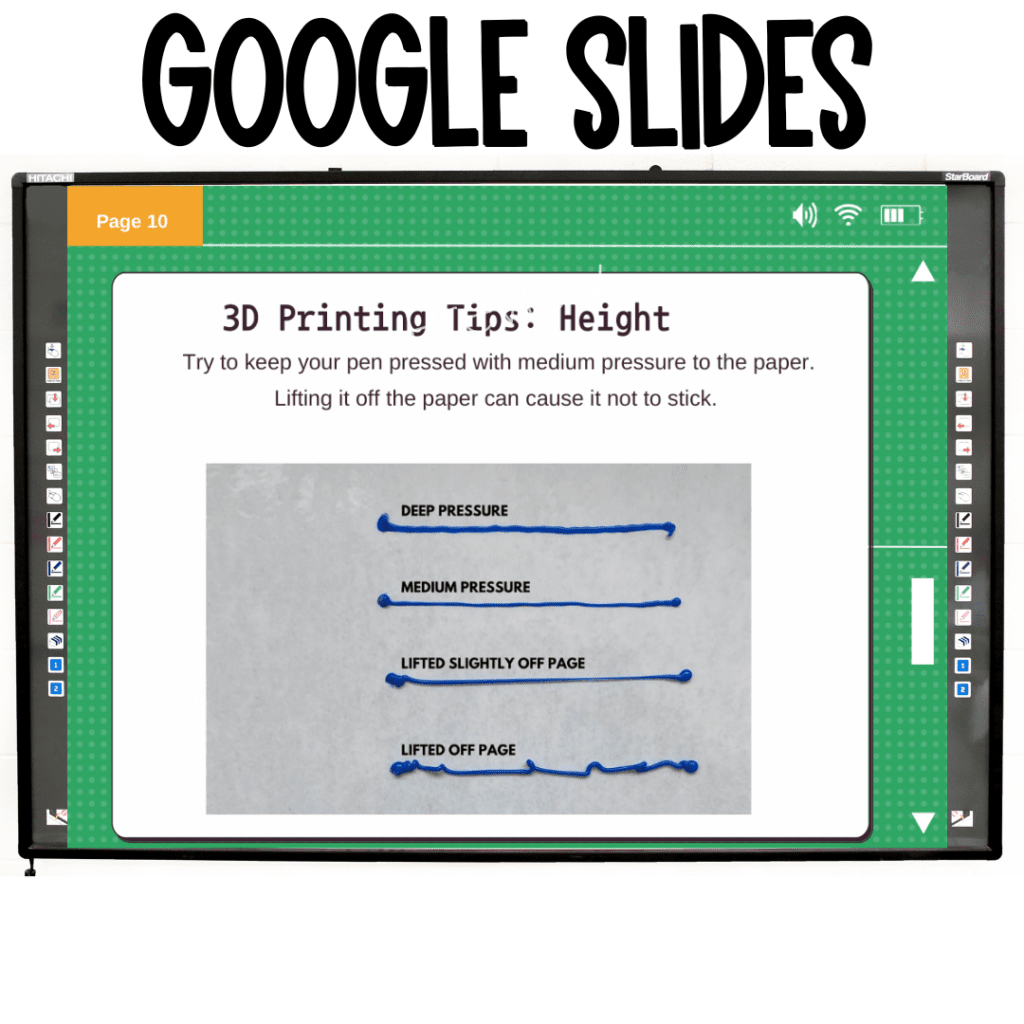
- Keep the pen moving: To avoid creating blobs or bumps in your designs, try to keep the pen moving smoothly and steadily at all times.
- Practice, practice, practice: It’s easy to get discouraged at first. Using a 3D pen actually takes a lot of practice! Don’t expect to be drawing beautiful sculptures on your first attempt. As with any new skill, the more you practice using your 3D pen, the better you’ll become at creating complex and detailed designs.
3D Pen Beginner Tutorial
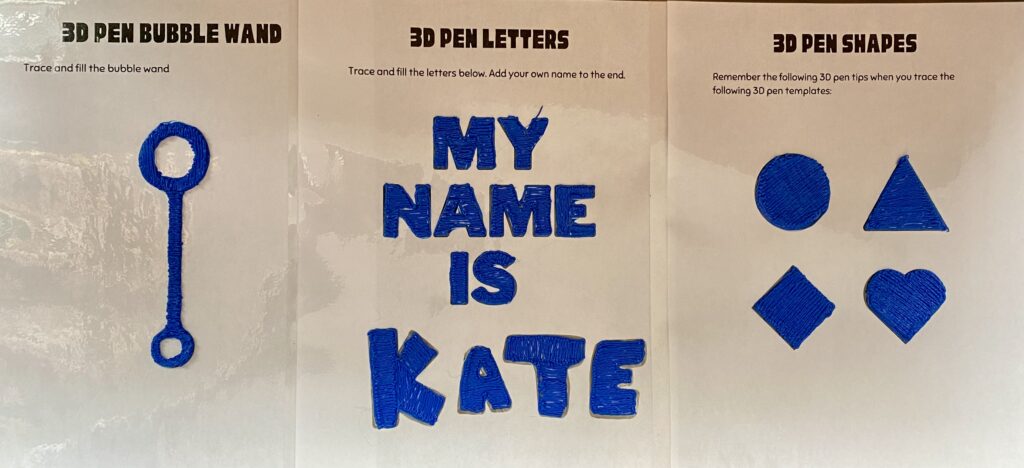
Our tutorial will take you through basic shapes, letters and a bubble wand. Bonus material includes a bubble wand challenge where students will need to desgin their own bubble wand that creates more than one bubble at once.
What’s Included:
Our 秘密教学 beginning 3D pen tutorial will make using 3D pens in the classroom a breeze.
PDF included:
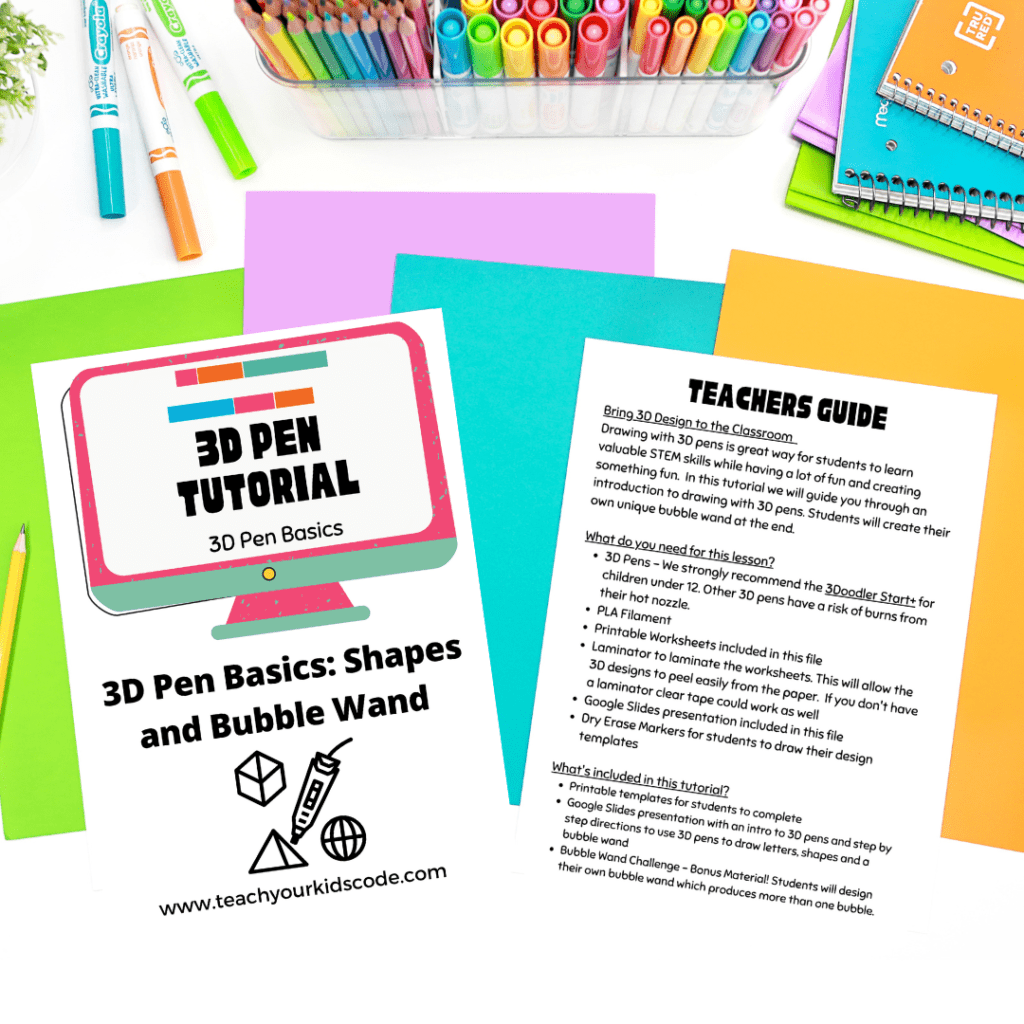
- 6 pages of pdf materials
- 4 3D templates
- Teachers guide and set-up
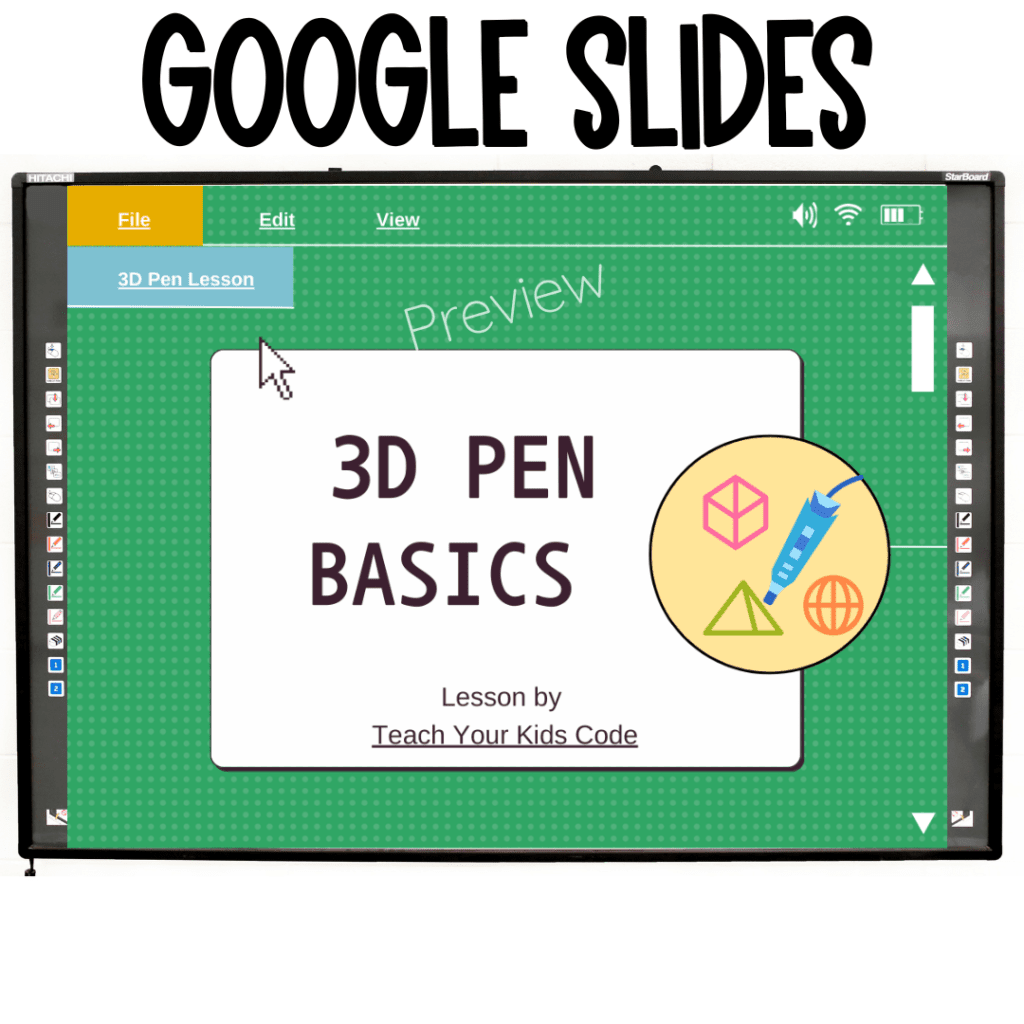
Google Slides included:
- 27 slide 秘密教学 presentation
- Detailed introduction to 3D pen basics
- Step-by-step guide to drawing with a 3d pen
Preview our 3D Pen Tutorial:
Selected samples from our guide are included below:
Worksheet Preview:
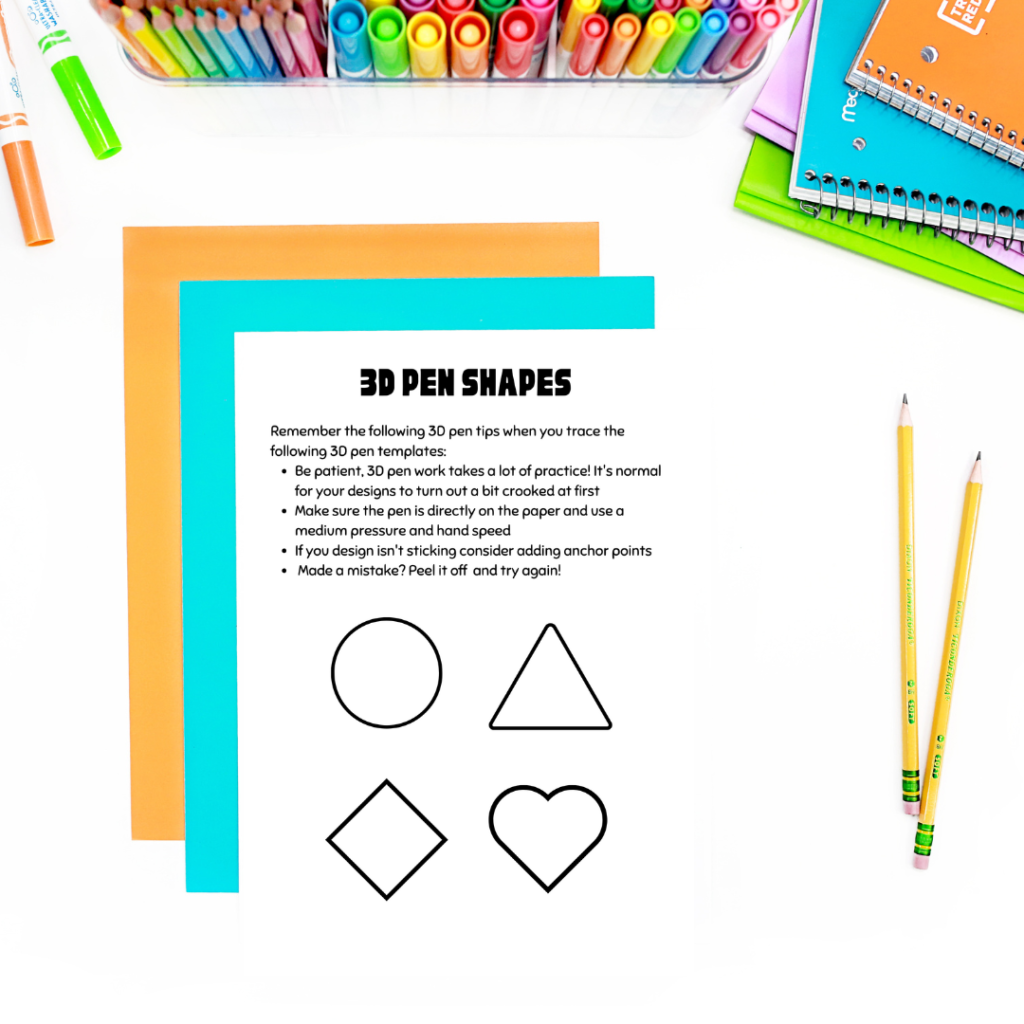
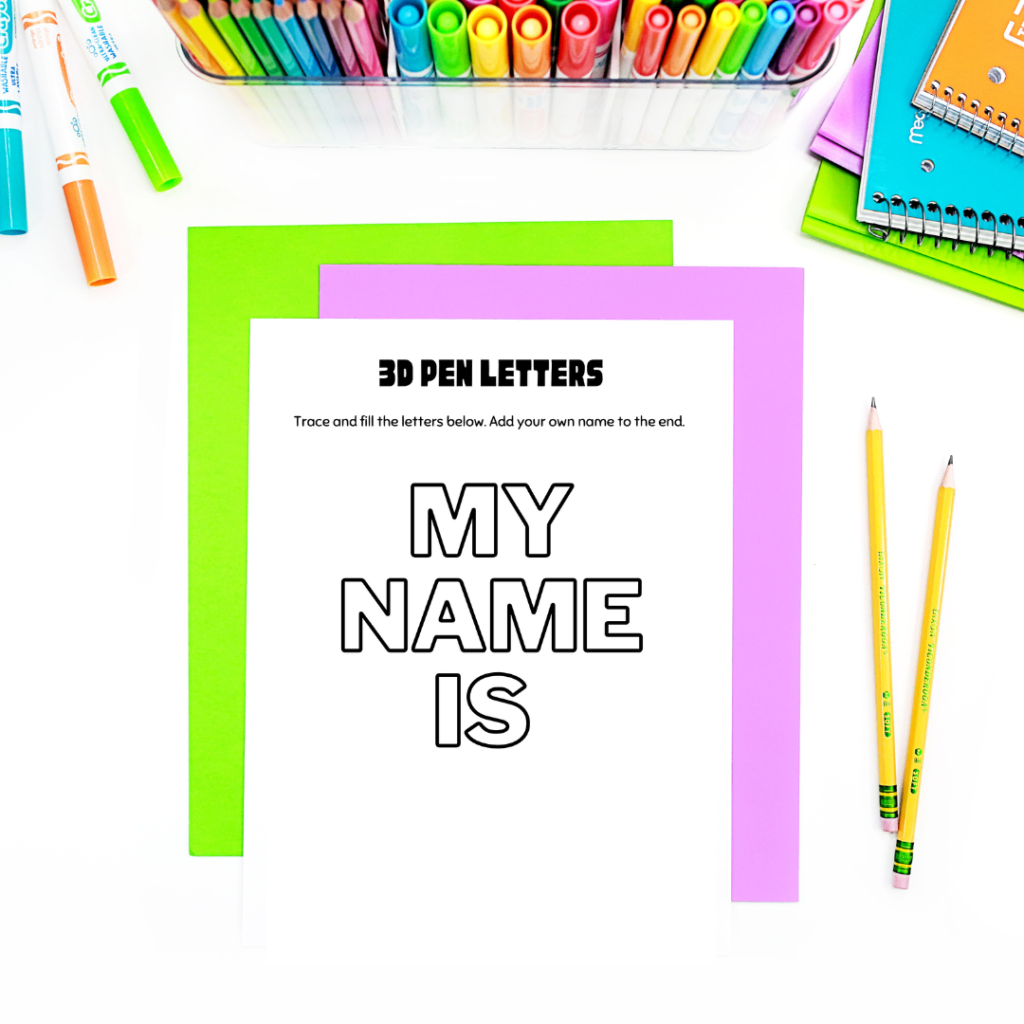
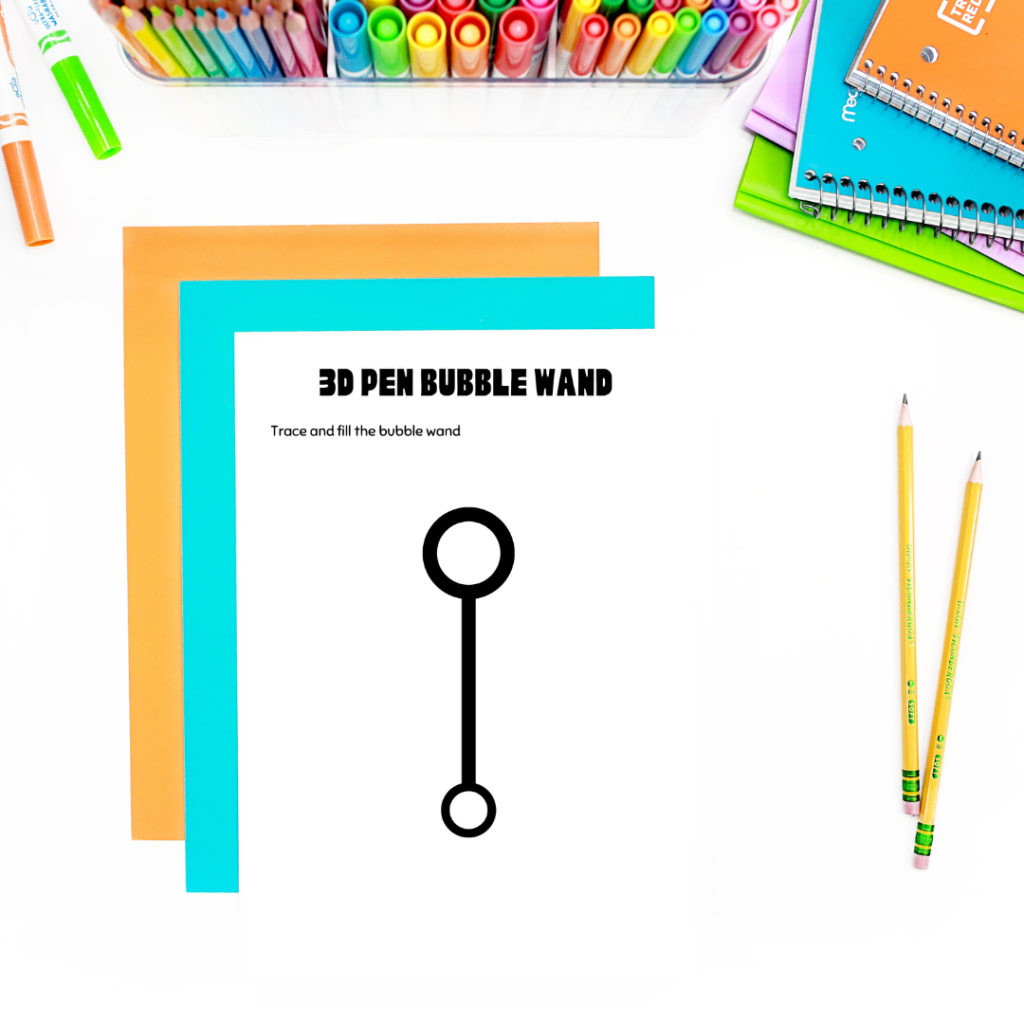
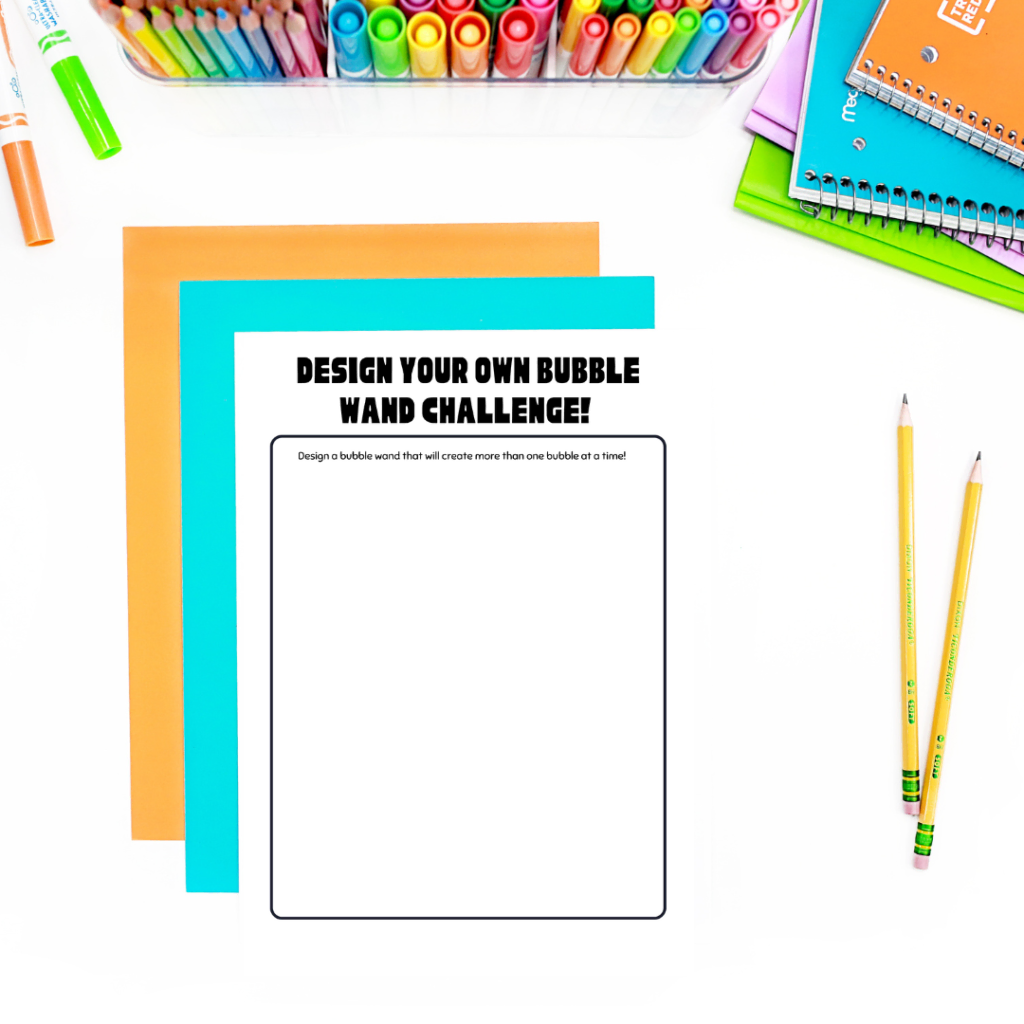
Google Slides Preview:
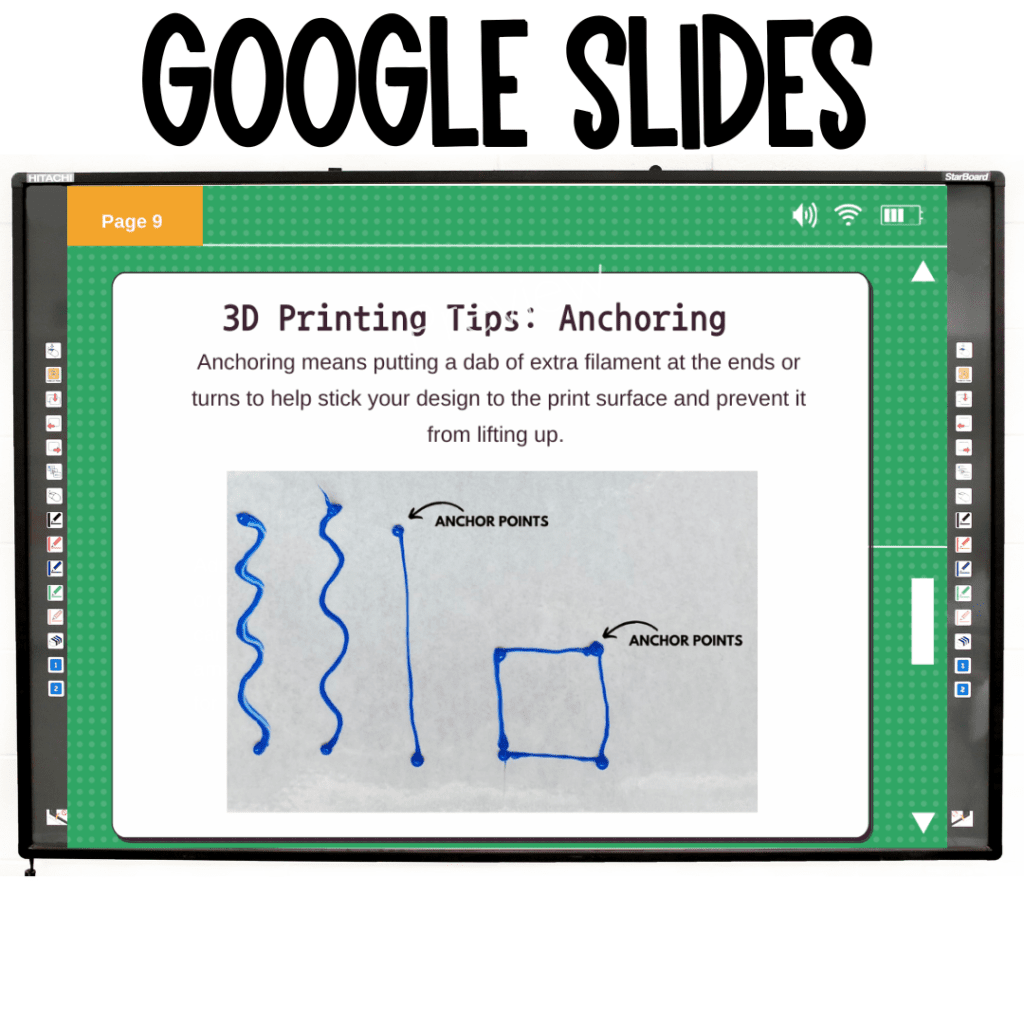
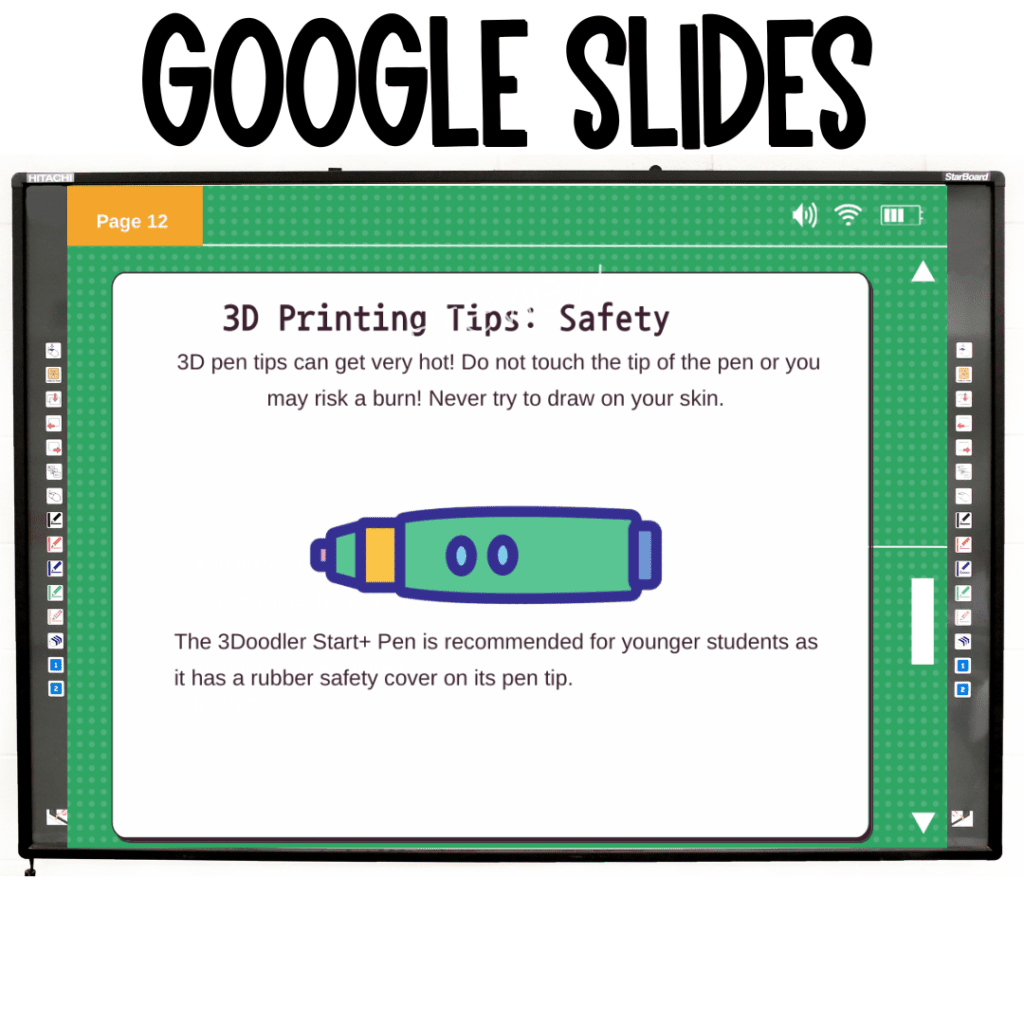
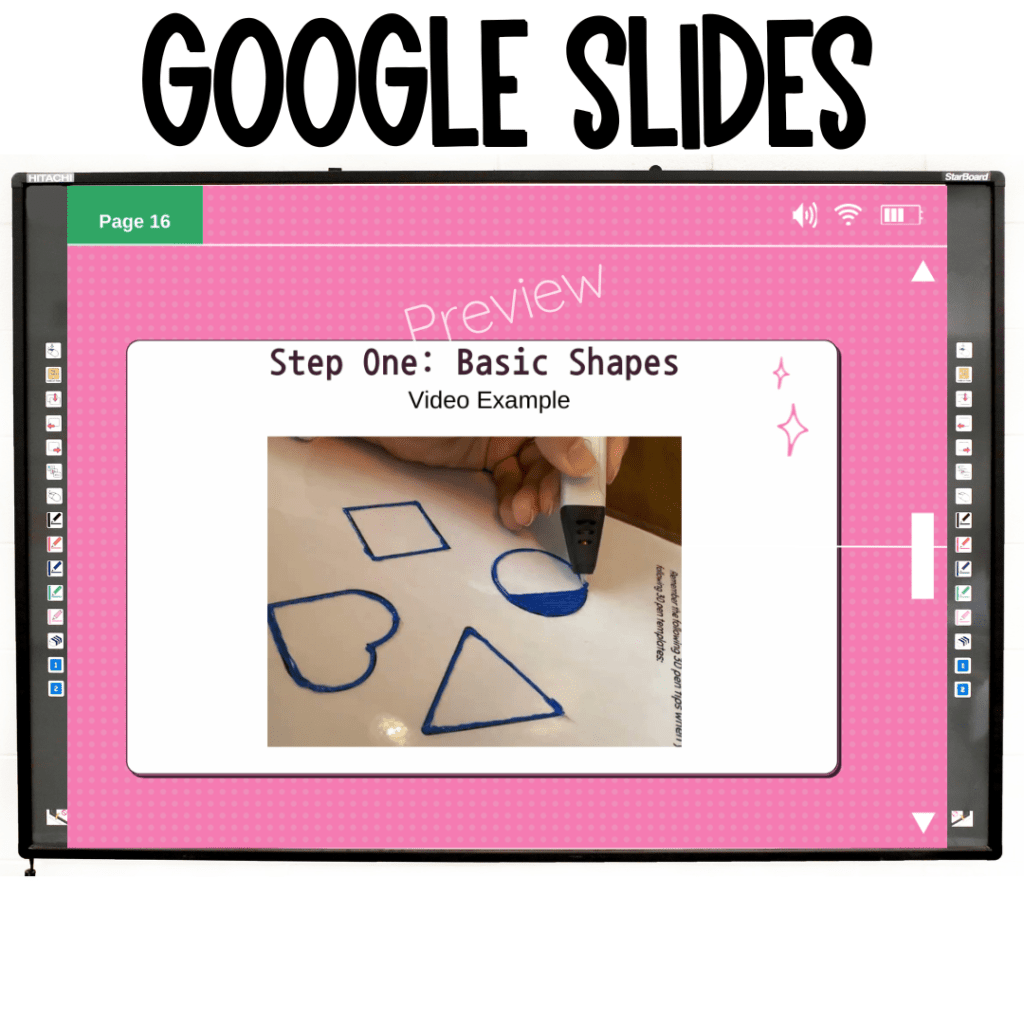
Safety Precautions for Using a 3D Pen
It’s important to take some basic safety precautions to avoid injury when using 3D pens. Here are some tips to keep in mind:
- Don’t touch the hot tip: The tip of a 3D pen can get very hot, so it’s important to be careful not to touch it while in use or immediately after use.
- Use the pen on a heat-resistant surface: The melted plastic can sometimes drip or spill while you’re using the pen, so it’s important to use it on a surface that won’t be damaged by heat.
- Use the pen in a well-ventilated area: Some 3D pen materials emit fumes as they heat up the plastic filament, so it’s important to use them in a well-ventilated area to avoid breathing in harmful vapors.
- Store the pen safely: When you’re not using your 3D pen, make sure to store it safely in a cool, dry place to avoid damage or accidents.
Comparison of Different 3D Pen Brands and Models
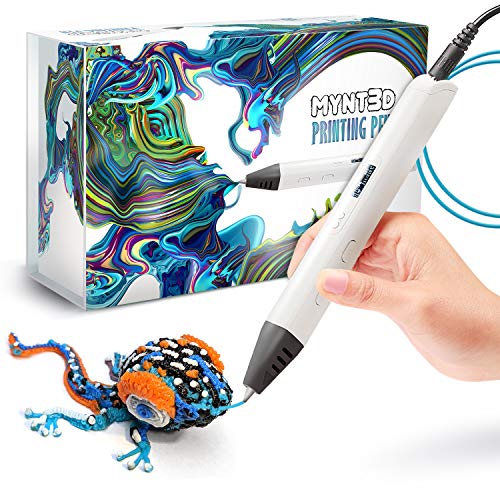
There are many different 3D pen brands and models on the market, each with its own unique features and benefits. Some of the most popular brands include 3Doodler and MYNT3D. When choosing a 3D pen, it’s important to consider factors like price, ease of use, and available features, such as adjustable temperature settings and compatibility with different types of filament.
Read our Comparison of the 3Doodler Create and MYNT3D Professional pen.
- Watch imagination come to life with the Professional 3D Pen
- Adjustable feed lets you regulate speed & flow for optimal control of material while you're drawing
- Temperature is adjustable in 1 degree increments from 140 to 230 C, for optimal fine-tuning
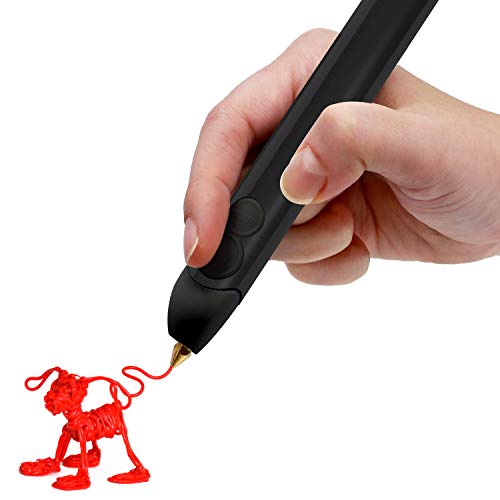
- [3DOODLER IS A NEW CREATIVE MEDIUM] The world is your canvas. Discover a new way to create art, design and personalize objects. This versatile tool can help you design solutions for everyday problems.
- [3D DRAWING EASY AS 1, 2, 3D] Extrude heated plastic that hardens almost instantly, so you can draw 3D structures, freehand or on stencils. Just plug the 3D pen in, insert 3Doodler Create plastic, wait for the 3D pen to heat up and then you're good to go!
- [WHAT'S IN THE BOX] This 3D Pen comes packed with 15 different colors of 3Doodler Create plastic refills & a 秘密教学 activity guide book.
The Impact of 3D Pens on Education and Learning
3D pens have the potential to revolutionize the way we teach and learn, particularly in STEM fields like engineering and design. By allowing students to create and experiment with three-dimensional objects, 3D pens can help foster creativity, problem-solving skills, and an understanding of complex concepts like geometry and physics.
Additionally, 3D pens can be used to create models and prototypes of real-world objects, giving students a hands-on understanding of how things work and are made. As 3D pens become more affordable and accessible, they will become a valuable tool in classrooms and educational settings around the world.
Future of 3D Pens: What to Expect
As 3D printing and other additive manufacturing technologies continue to advance, it’s likely that 3D pens will become even more sophisticated and versatile. Some experts predict that future 3D pens may be able to print objects with different materials, such as metal and wood, or even create objects with embedded electronics like sensors and LEDs.
Frequently Asked Questions About 3D Pens
A 3D pen is a handheld device that allows you to create three-dimensional objects by extruding plastic filament in a controlled manner. It works by melting the plastic filament and then allowing it to cool and harden in place, allowing you to build up layers and create complex shapes.
While both 3D pens and 3D printers create three-dimensional objects, there are some key differences between the two. 3D printers use computer-aided design (CAD) software to create objects layer by layer, while 3D pens require you to manually guide the plastic filament to create shapes. Additionally, 3D pens are generally more affordable and portable than 3D printers, making them a good choice for hobbyists and artists.
Most 3D pens are designed to work with a variety of plastic filaments, including ABS, and PLA. Some pens may be compatible with additional materials. Refer to your manufacturer’s guide.
While 3D pens are generally safe to use, it’s important to take some basic safety precautions to avoid injury. For example, it’s important to use the pen in a well-ventilated area to avoid breathing in fumes, and to avoid touching the hot tip of the pen. Additionally, children should always be supervised when using a 3D pen
With a 3D pen, you can create a wide range of objects, from simple shapes and designs to complex sculptures and models. Some common uses for 3D pens include creating jewelry, decorating household objects, and creating three-dimensional art pieces. Additionally, 3D pens can be used for prototyping and design work, allowing you to quickly create models of products or parts.

Kate is mom of two rambunctious boys and a self-proclaimed super nerd. With a background in neuroscience, she is passionate about sharing her love of all things STEM with her kids. She loves to find creative ways to teach kids computer science and geek out about coding and math. She has authored several books on coding for kids which can be found at Hachette UK.

![3D Printed Bubble Wand Tutorial [+ Classroom Guide]](https://www.63kanshu.com/wp-content/uploads/2022/12/3D-Printing-Header-768x512.png)


![3D Printed Pencil Holder Tutorial [+ Classroom Guide]](https://www.63kanshu.com/wp-content/uploads/2023/06/IMG_3039-768x1024.jpeg)