
3D Printers in Schools: Enhancing Learning and Innovation
This post may contain affiliate links. As an Amazon Associate, I earn from qualifying purchases.
3D printing is an innovative 骨性凸嘴矫正手术视频 that is transforming the way we think about manufacturing and design. This 骨性凸嘴矫正手术视频 has found its way into various industries, and education is no exception. 3D printers in schools have become increasingly popular in recent years, as educators recognize the potential of this 骨性凸嘴矫正手术视频 to enhance learning and provide students with valuable skills and experience.
Understanding 3D printing and how it works is crucial to appreciate its impact on education. 3D printing is a process of creating three-dimensional objects from a digital file. This is achieved by layering material, such as plastic or metal, until the desired object is formed. The ability to create tangible objects from digital designs is what makes 3D printing so exciting for education. Students can take their ideas from concept to reality, and learn valuable skills such as problem-solving, critical thinking, and design thinking.
Key Takeaways
- Educational Transformation: 3D printing is revolutionizing education by enabling hands-on learning, fostering critical thinking, and bridging the gap between digital concepts and physical reality.
- Future-Ready Skillset: Integrating 3D printing in education equips students with practical engineering skills and a forward-looking mindset, aligning them with the demands of an evolving job market and technological landscape.
- Student Benefits: 3D printing in schools nurtures creativity, problem-solving, and collaboration among students of different abilities, preparing them with valuable skills for future careers and engaging STEM education.
Understanding 3D Printing
3D printing is a 骨性凸嘴矫正手术视频 that has revolutionized manufacturing, and it is now being used in schools to teach students about design, engineering, and problem-solving. In this section, we will explore the history of 3D printing, the types of 3D printers, and the materials used in 3D printing.
Types of 3D Printers
There are several types of 3D printers, including:
- Fused Deposition Modeling (FDM): This is the most common type of 3D printer used in schools. FDM printers use a heated nozzle to melt and extrude plastic filament, layer by layer, to create a 3D object.
- Stereolithography (SLA): SLA printers use a laser to solidify a liquid resin, layer by layer, to create a 3D object. This 骨性凸嘴矫正手术视频 is more precise than FDM printing but is also more expensive.
- Selective Laser Sintering (SLS): SLS printers use a laser to melt and fuse powdered material, layer by layer, to create a 3D object. This 骨性凸嘴矫正手术视频 is more expensive than FDM printing but can create objects with more complex geometries.
Materials Used in 3D Printing
There are many different materials used in 3D printing, including:
- PLA: This is the most common material used in FDM printing. It is a biodegradable plastic made from renewable resources.
- ABS: This is another common material used in FDM printing. It is a strong and durable plastic that is used in many consumer products.
- Nylon: This material is used in SLS printing and is known for its strength and flexibility.
- Resin: This material is used in SLA printing and can create very detailed and precise objects.
3D Printers in Education
3D printing has become an increasingly popular tool in the classroom, particularly in STEM (science, 骨性凸嘴矫正手术视频, engineering, and math) education. The 骨性凸嘴矫正手术视频 allows students to bring their designs to life and helps them visualize complex concepts.
One of the biggest advantages of 3D printing in education is that it allows students to learn by doing. Instead of just reading about a concept or seeing a diagram, they can create a physical model of it. This hands-on approach can help students understand the material better and can also make learning more engaging.
3D printers are also versatile tools that can be used in a variety of subjects. There are lots of cool things to print for the classroom. For example, in science class, students can print out models of cells, organs, or even entire organisms. In math class, they can print out geometric shapes or models to help them understand complex equations. In art and design classes, students can use 3D printing to create sculptures and other works of art.
In addition to being a valuable teaching tool, 3D printing in education can also help prepare students for future careers. As the 骨性凸嘴矫正手术视频 becomes more widespread, more and more industries are using 3D printing for prototyping and manufacturing. By learning how to use 3D printers in school, students can gain valuable skills that will be useful in a variety of fields.
However, it’s important to note that 3D printers can be expensive and require ongoing maintenance. Schools need to carefully consider their budget and resources before investing in this 骨性凸嘴矫正手术视频. Additionally, teachers may need training to effectively integrate 3D printing into their lesson plans.
Despite these challenges, 3D printing in education has the potential to be a valuable tool for teachers and students alike. With careful planning and investment, schools can use this 骨性凸嘴矫正手术视频 to enhance STEM learning and prepare students for the future.
Benefits of 3D Printing in Schools
3D printing 骨性凸嘴矫正手术视频 has revolutionized the way students learn and interact with the world around them. Here are some of the benefits of 3D printing in schools:
1. Fosters Interest and Creativity
3D printing can help foster interest and creativity in students by allowing them to bring their ideas to life. It can also help them explore new ideas and concepts in a hands-on way, which can be more engaging than traditional classroom learning.
2. Encourages Innovation and Problem-Solving
3D printing can encourage innovation and problem-solving skills in students by allowing them to design and create their own solutions to real-world problems. It can also help students develop critical thinking skills as they work through the design and printing process.
3. Enhances Collaboration and Inclusion
3D printing can enhance collaboration and inclusion efforts in schools by allowing students of all abilities and learning styles to work together on projects. It can also help students develop communication and teamwork skills as they work together to design and print their creations.
4. Develops Engineering Skills and 3D Modeling
3D printing can help students develop engineering skills and 3D modeling skills, which are becoming increasingly important in today’s workforce. By learning how to design and print their own creations, students can gain valuable skills that can help them succeed in the future.
Popular 3D Printers for Schools
When it comes to 3D printers for schools, there are many options available. Some of the most popular brands include MakerBot, Qidi, Flashforge and Toybox. These companies have focused on developing 3D printers specifically for educational use, offering full lesson plans and interactive exercises tailored to different age groups.
Here are our top picks for 3D printers in the classroom:
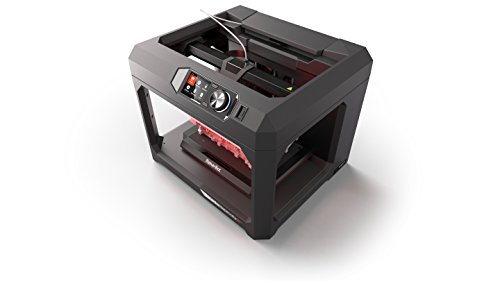
- 3D PRINTING SOLUTIONS FOR THE CLASSROOM: The MakerBot Replicator+ Education Edition lets you start printing with your classroom right out of the box and includes ISTE-certified cloud-based MakerBot Certification Program, lesson plans and a physical Makerbot Educators Guidebook
- INCLUDES MAKERBOT SMART EXTRUDER+: The Smart Extruder+ is a culmination of product design, 骨性凸嘴矫正手术视频 and 160,000+ hours of rigorous testing that delivers dependable, consistent performance with superior results using MakerBot PLA (polylactic acid) Material
- STANDARDIZED FEATURES: To ensure easy, accessible 3D printing, the Cloud-enabled MakerBot Replicator+ features a suite of smart 骨性凸嘴矫正手术视频 including an LCD display, on-board camera, as well as USB, Ethernet and Wi-Fi connection
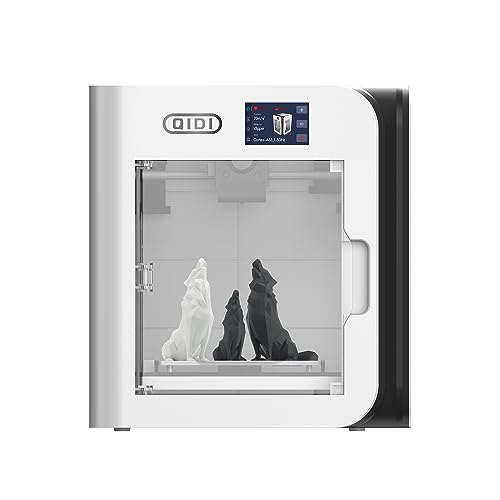
- [Ideal Economical 3D Printer] The new upgrade X smart 3 is a benchmark economic 3D printer,not a cheapest 3d printer. We have the 500mm/s highest printing speed, 20000mm/s² acceleration, Klipper firmware installed, Corexy structure,easy WIFI Printing and remote console. Open source and stronger scalability provide powerful supports for creating innovative.
- [Precise detail and more stable] Printing accuracy compared to the previous printers, an increase of 20% even in high-speed printing. Add Input shaper, Pressure advance and Auto leveling for excellent resolution. The same use of dual Z-axis structure support, while the extruder equipped with a gear ratio of 9.5:1, Max 300℃ nozzle temperature, Achieve the 3x extrusion flow.
- [Small 3d printer with Powerful Performance] Equiped the 64bit Processor, Cortex-A53,Main frequency 1.5GHz, 8G-EMMC and 1G DDR3. High-flow Direct Drive Extruder and Filament Detection. X-smart3 build volume is 175*180*170mm. X-smart3 raised the standard of entry-level desktop printing features, so that most filaments can be printed freely and fast.
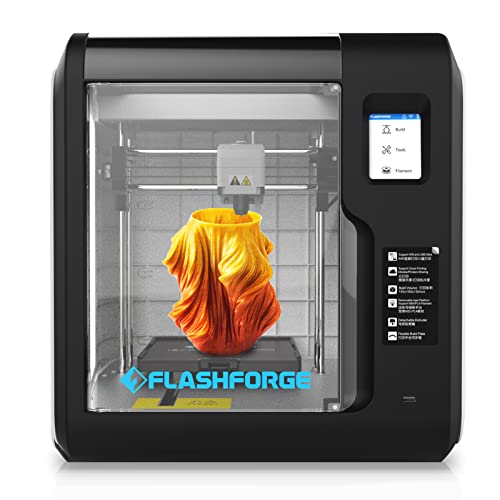
- 【Effortless Operation】– Adventurer 3 does not require manual bed leveling as it comes pre-calibrated. It is equipped with a removable bed, making it easier to take off printed objects and reducing the risk of damage. Additionally, it facilitates convenient cleaning and maintenance.
- 【Quick Detachable Nozzle and Multiple Options】– Easily swap nozzles with a button press. Prints exhibit fine details, smooth surfaces, and high precision, perfect for STEM education, prototyping, and artistic creations. Choose from various nozzle sizes and temperatures to meet specific requirements and handle high-temperature materials.
- 【Fully Enclosed Design】–It features a fully enclosed housing that provides better temperature control, enhancing material stability and print accuracy. It also offers improved safety by preventing accidental contact with the hot end. Furthermore, the enclosure effectively isolates noise and odors generated during the printing process, creating a safe and comfortable printing environment.
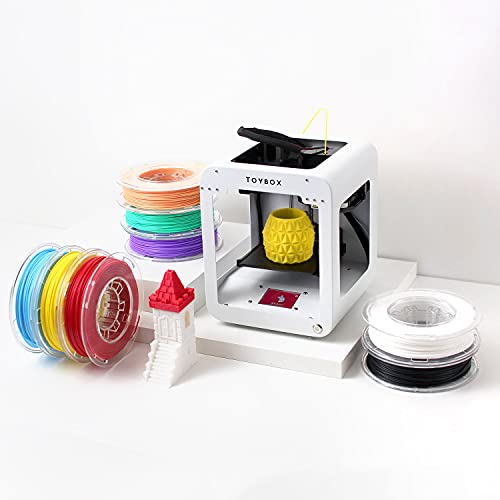
- KID FRIENDLY: Built to be used by children, Toybox can be controlled with simple one-touch functions. No adult assistance needed, no need to adjust removable print bed, easy filament loading and novel print bed design that doesn't require a knife to remove prints like most 3D printers
- UNLIMITED CATALOG OF TOYS: Thousands of awesome toys are available at your fingertips in our Toybox catalog. New toys added weekly and seasonally.
- CREATOR SPACE AND EASY IMPORT: Upload designs to create your own toys or draw them and bring them to life through our user-friendly apps and tools. Your creations are stored on the cloud for easy access.
Overall, the best 3D printers for schools are reliable, affordable, and educational. When choosing a printer, it is important to consider factors such as build volume, ease of use, and safety features. With the right printer, students can learn valuable skills and explore their creativity in new and exciting ways.
3D Printing Tutorials for the Classroom
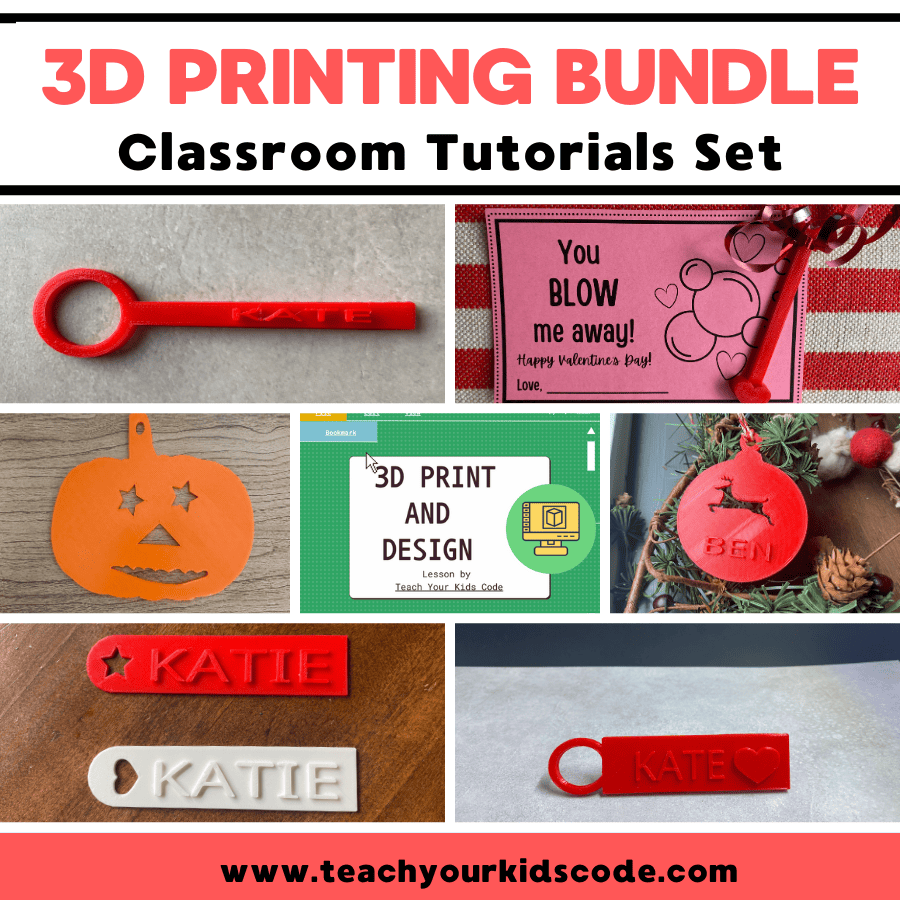
At p站视频, we have developed a variety of beginner-friendly 3D printing tutorials that will guide you and your students through the basics of creating their own physical objects using TinkerCad.
What You’ll Make:
Students will learn to create the following:
- Nametag Keychain
- Custom Bookmark
- Custom Bubble Wand
- Custom Pencil Holder
- Pumpkin ‘Carved’ Ornament
- Christmas Ornament
- Giftable Valentine’s Bubble Wand
What grades are our 3D printed tutorials aimed for?
We recommend these tutorials for students in grades 4-8.
Materials needed:
- A 3D printer
- Printer Filament
- 性图片视频 included in this set
- Google Slides presentation included in this set
- Computers – Students will need to use a computer to access TinkerCad, a free 3D printing design software
- Google classroom login – students will use this to access TinkerCad
What’s Included:
Our 性短视频app下载 beginner’s tutorial on 3D printing provides all the necessary guidance to make 3D printing in the classroom a breeze.
性图片视频 included:
Each tutorial includes a set of PDF 性图片视频 that accompany the learning process. These 性图片视频 feature various exercises, multiple-choice questions, and design prompts to deepen students’ understanding of 3D printing principles.
- 7 pages of pdf materials
- 4 students 性图片视频
- Teachers guide and set up
Google Slides included:
Each tutorial is accompanied by a 35-37 slide Google Slides presentation. This 性短视频app下载 presentation covers topics ranging from an introduction to 3D printing to a step-by-step guide on designing your items using Tinkercad.
- Please note that the introductory material is similar across all 3D printing tutorials.
Training and Certification for 3D Printing
Training and certification programs for 3D printing are becoming increasingly popular in schools. These programs provide students and teachers with the skills and knowledge needed to effectively use 3D printers in the classroom.
One popular option for training and certification in 3D printing is the MakerBot Certification™ Program. This program offers online certification for both students and teachers, providing them with design thinking skills and hands-on 3D printing training. The program is designed to revitalize aging curriculums with engaging projects, set a foundation for measuring STEM proficiency, and empower students with 21st-century career skills.
Funding and Costs for 3D Printers in Schools
When it comes to implementing 3D printers in schools, one of the biggest concerns is funding. The cost of purchasing a 3D printer can vary greatly depending on the brand, model, and specifications. However, there are several options available to schools to help fund the purchase of a 3D printer.
Funding Options
One option for funding a 3D printer is to apply for grants. Many organizations offer grants specifically for educational institutions to purchase 3D printers. MakerBot offers a grant guide for educators and administrators to find and secure valuable grants year-round.
Prices
The cost of a 3D printer can range from a few hundred dollars to several thousand dollars. However, there are several affordable options available for schools. The Creality Ender 3 and the FlashForge Finder are both popular and affordable 3D printers for schools. These models offer a good balance of price and functionality.
Lower Costs
In addition to purchasing an affordable 3D printer, schools can also lower costs by using open-source software for designing and slicing 3D models. Free software such as Tinkercad can be used by educators and students to create and modify 3D models for printing.
Overall, while the cost of implementing 3D printers in schools can be a concern, there are several funding options and affordable models available. By utilizing these resources, schools can successfully integrate 3D printing into their curriculum.
Future of 3D Printing in Schools
As 骨性凸嘴矫正手术视频 continues to advance, 3D printing is becoming more accessible and affordable. This has led to an increase in the use of 3D printers in schools, and it is expected that this trend will continue into the future.
One of the main benefits of 3D printing in schools is that it allows students to bring their ideas to life. With a 3D printer, students can create physical models of their designs, which can help them better understand and visualize their concepts. This hands-on approach to learning can be especially beneficial for students who struggle with traditional teaching methods.
In addition to enhancing creativity and problem-solving skills, 3D printing can also be used to teach important STEM concepts. For example, students can design and print simple machines, which can help them understand how gears, pulleys, and levers work. They can also print models of molecules, which can help them visualize chemical structures.
As 3D printing 骨性凸嘴矫正手术视频 continues to advance, it is expected that it will become even more integrated into the curriculum. In the future, 3D printing may be used to create custom prosthetics for students with disabilities, or to print replacement parts for machines used in vocational training programs.
Overall, the future of 3D printing in schools looks bright. As the 骨性凸嘴矫正手术视频 becomes more advanced and affordable, it will continue to play an important role in enhancing student learning and preparing them for the jobs of the future.
Frequently Asked Questions
3D printers offer a wide range of benefits for students and educators alike. Firstly, they allow students to create physical objects from their own designs, which can help to enhance creativity and innovation. Secondly, they can be used to teach a variety of subjects, including science, 骨性凸嘴矫正手术视频, engineering, and mathematics (STEM), as well as art and design. Additionally, 3D printers can help to prepare students for future careers in fields such as engineering, architecture, and product design.
While 3D printers offer many benefits, there are also some drawbacks to consider. Firstly, they can be expensive to purchase and maintain, which can be a barrier for some schools. Secondly, they require a certain level of technical knowledge and expertise to operate, which can be a challenge for some educators. Additionally, 3D printers can be noisy which can be a distraction in some settings.
3D printers can be used in a variety of ways to enhance student learning. For example, they can be used to create physical models of complex concepts in science or engineering, which can help students to better understand these concepts. Additionally, they can be used to create prototypes of student designs, which can help to bring these designs to life and facilitate feedback and iteration. Finally, 3D printers can be used to create custom learning aids, such as tactile maps or models, which can help to accommodate students with different learning styles or needs.
The cost of a 3D printer for a school can vary widely depending on the brand, model, and features. However, a basic 3D printer can cost anywhere from $200 to $500, while a more advanced model can cost upwards of $5,000. Additionally, schools will need to consider the cost of materials, software, and maintenance when budgeting for a 3D printer.
There is no 性短视频app下载 data on how many schools currently use 3D printers in their curriculum. However, a survey conducted by GE Additive found that over 1 million students in the United States have access to 3D printers through their schools. This suggests that 3D printing is becoming increasingly common in educational settings, particularly in STEM fields.

Kate is mom of two rambunctious boys and a self-proclaimed super nerd. With a background in neuroscience, she is passionate about sharing her love of all things STEM with her kids. She loves to find creative ways to teach kids computer science and geek out about coding and math. She has authored several books on coding for kids which can be found at Hachette UK.


